A short supply chain, kept deliberately short.
We are a Sri Lankan spice exporter. We buy from growers, grade close to the harvest, and ship whole spice to buyers who care where it came from.
Our story
Started with cinnamon.
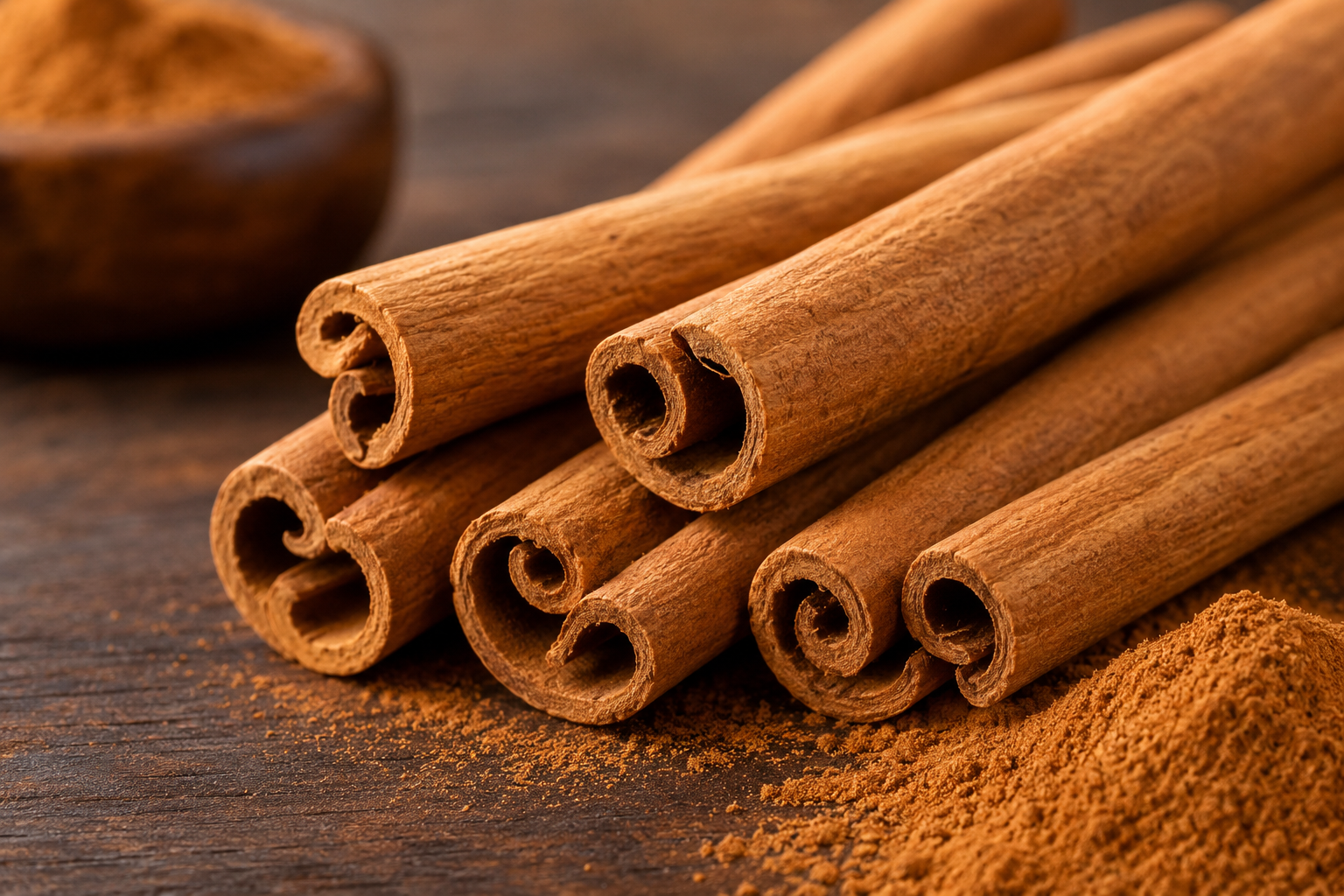
Sri Lanka has been trading spice for as long as ships have called here. The island is where true cinnamon comes from, and the tree still grows best in the same coastal belt it always has.
Ceylon Spices Global was built around a simple frustration: superb spice leaves this island and arrives somewhere else stripped of its identity — blended into anonymous lots, ground early, sold as generic. The grower gets the least of it and the buyer never learns whose crop they bought.
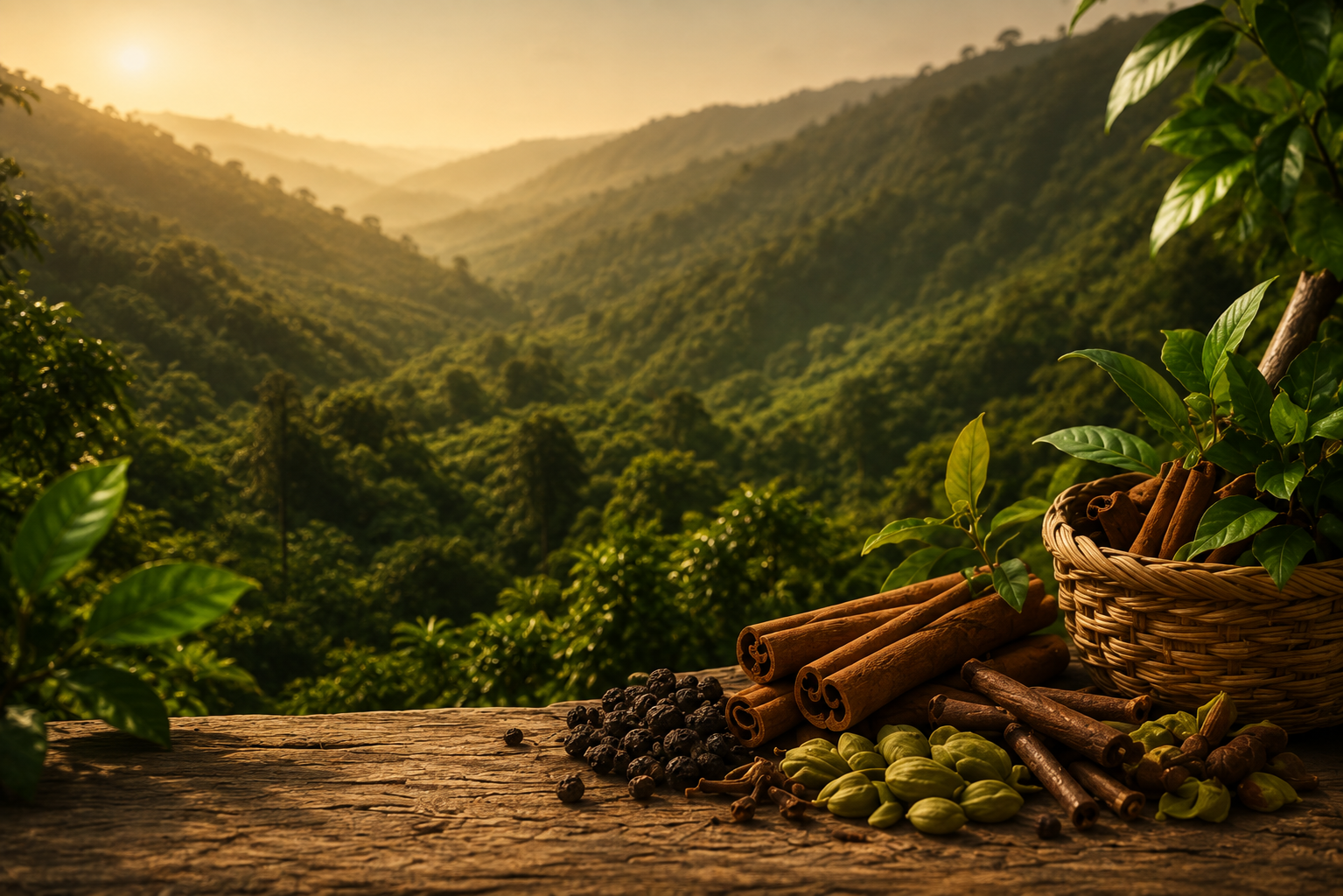
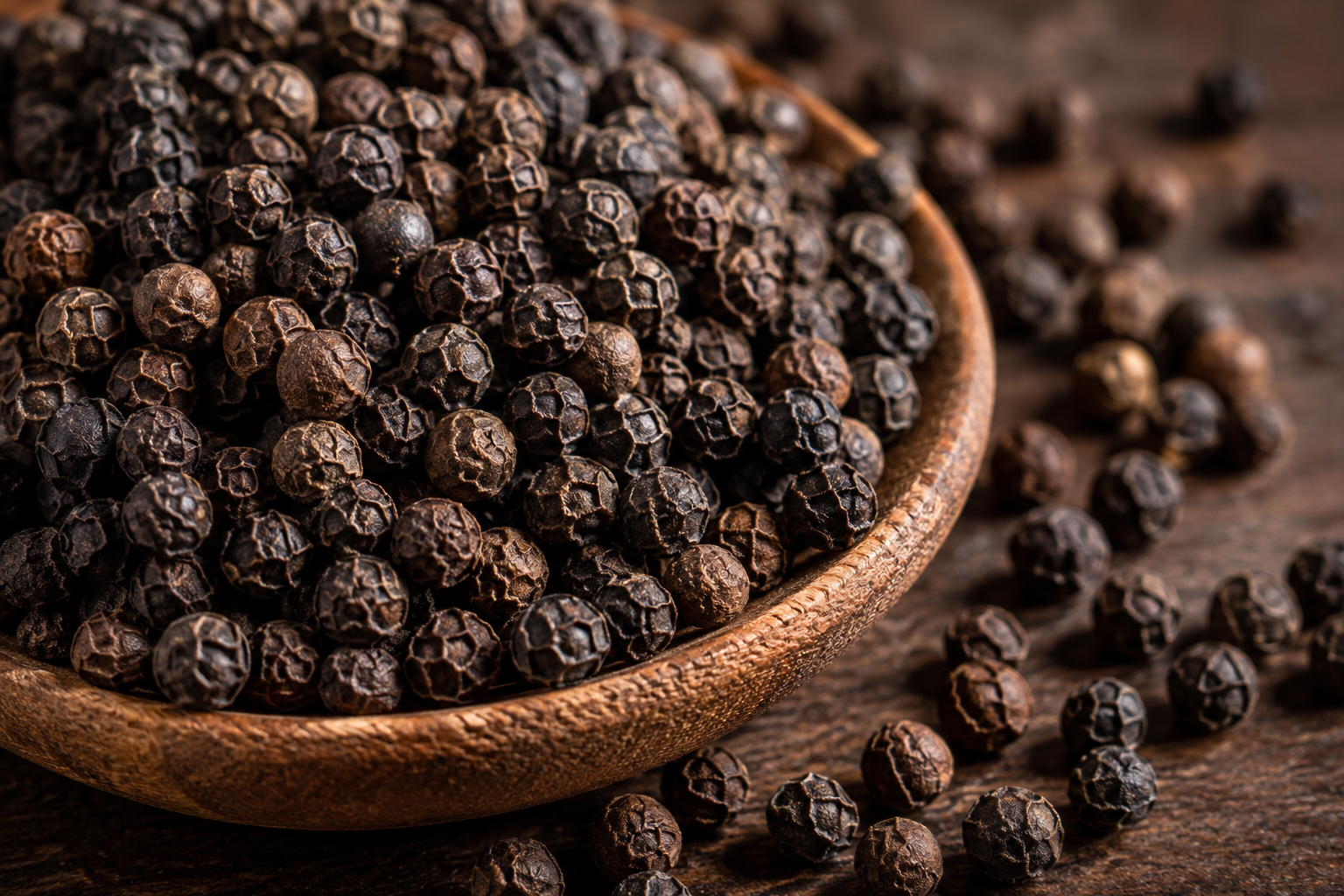
So we kept the range small enough to know it properly. Four spices, bought in small lots from growers we deal with face to face, graded to what the buyer actually needs rather than to whatever came off the market that week.
The result is slower and less scalable than the alternative. It is also the only way we know to send a buyer the same quality twice.
How we work
Three commitments we hold to.
Whole, not ground
Volatile oils start leaving the moment a spice is broken. We ship whole and let the buyer choose the moment it is milled.
Traceable lots
Every consignment carries a lot reference back to the harvest it came from. If a buyer asks where it grew, we can answer.
Fair to the grower
We buy direct and pay direct. A supply chain this short only holds together if the people at the start of it want to keep supplying us.
Who we supply
Buyers who ask questions.
Importers and distributors, tea and coffee blenders, food manufacturers, spice houses, and private-label brands building their own range.
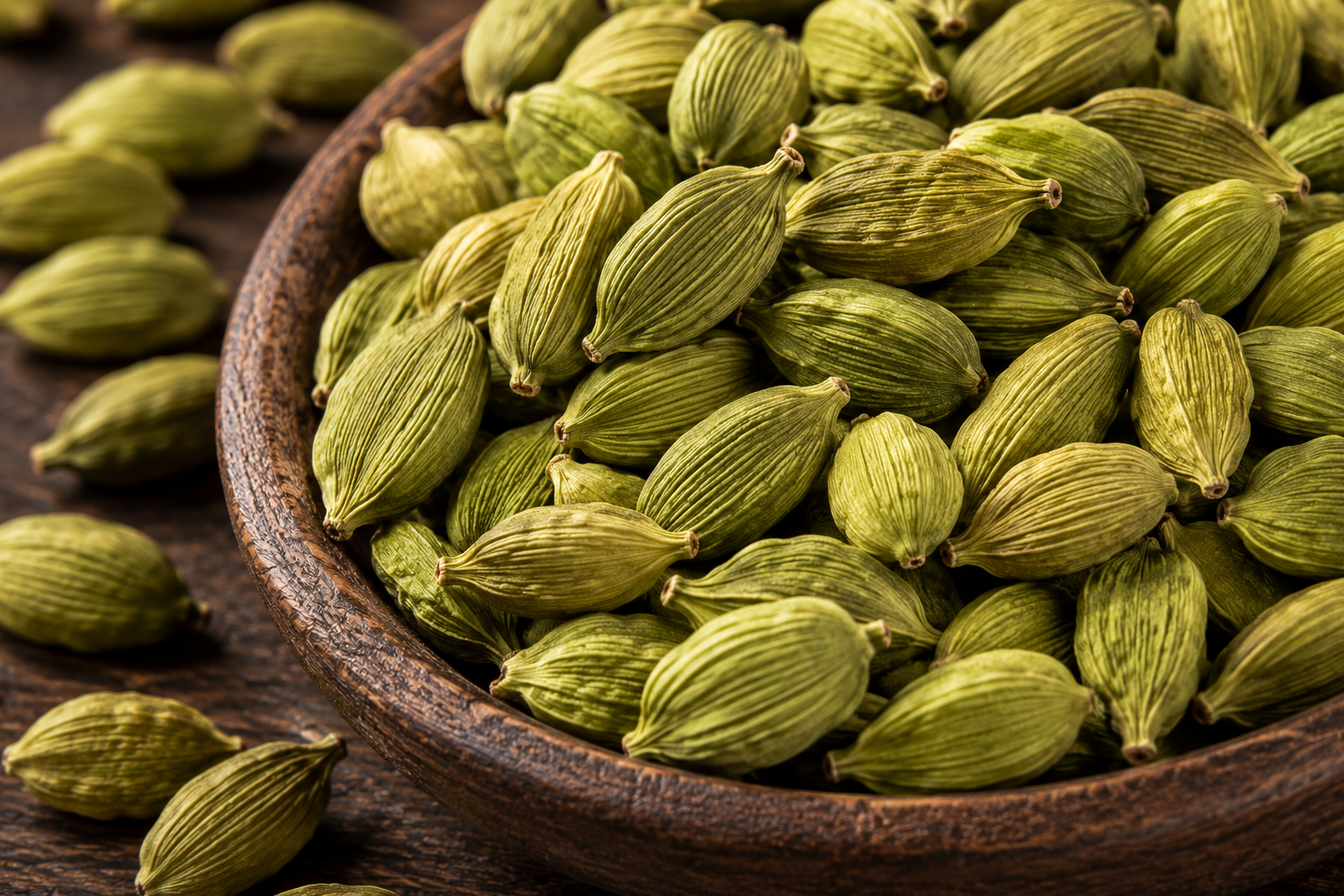
If you need a specific cinnamon grade, a consistent pepper spec, or cardamom that still smells like cardamom when it reaches you, that is the conversation we are set up for. Tell us the spec and the destination and we will tell you honestly whether we can meet it.